

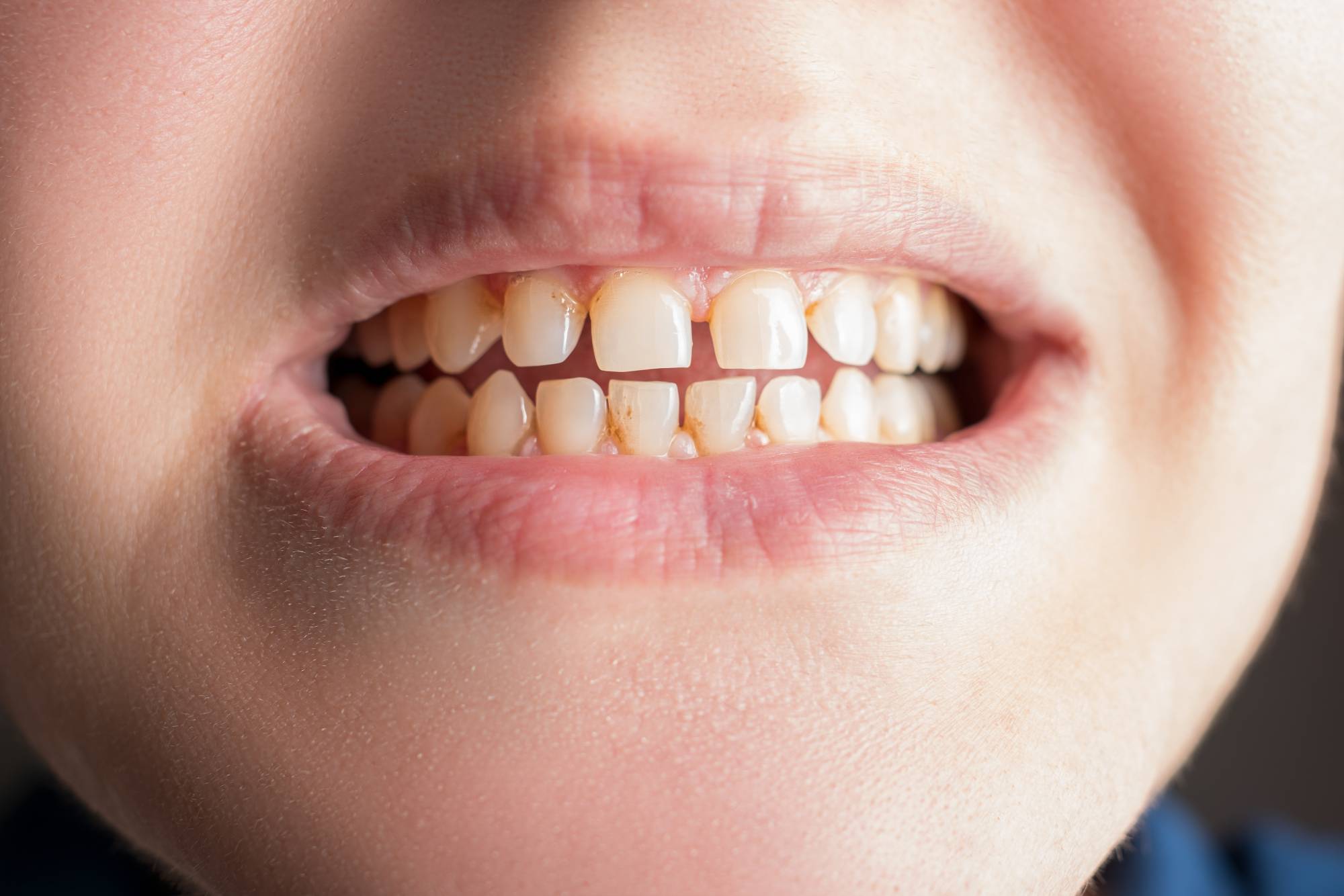
Tooth decay or tooth damage sometimes goes beyond a small filling or specialized toothpaste. In these situations, a dentist might recommend a large filling or a crown option. Both treatments repair damaged teeth and restore function. Dentists use them as forms of dental restoration to protect teeth and support long-term oral health.
Tooth decay remains one of the most common oral health conditions. Research shows that nearly 90% of adults ages 20-64 have experienced tooth decay in their permanent teeth, which is why restorative treatments like fillings and crowns are so common in modern dentistry.
The right treatment depends on factors like the amount of damage, the remaining tooth structure, and your bite strength. Some teeth respond well to large cavity treatment with fillings. Other teeth need stronger coverage from crowns. Learning the difference helps you ask the right questions during your dental visit and make informed decisions about your treatment.
Understanding Large Dental Fillings
Dentists use large dental fillings when tooth decay impacts a significant part of the tooth structure, but enough natural tooth still remains. Fillings rebuild the missing portion of the tooth and stop the spread of decay.
During large cavity treatment, the dentist removes decayed tooth material and cleans the area. The dentist then creates a filling and places it to restore the shape of the tooth. Common materials include composite resin and amalgam. Composite blends with the natural tooth color, while amalgam offers strong durability.
Large dental fillings serve as a more conservative form of dental restoration compared to crowns. The dentist preserves most of the natural tooth and repairs only the damaged section. This method works well for moderate decay or damage.
However, large fillings also have limits. When the cavity grows too wide or deep, the filling may not adequately support the remaining tooth structure. A weakened tooth can crack under chewing pressure. In that case, a different form of large cavity treatment may offer better protection.
What Are Dental Crowns and How Do They Work?
Dental crowns cover the entire visible portion of a tooth. The crown acts like a protective cap. It surrounds the tooth and restores strength, shape, and function. Dentists recommend dental crowns when a tooth loses a large amount of structure. Severe decay, fractures, and weakened enamel commonly lead to this form of dental restoration. A crown protects the remaining tooth and prevents further damage.
The dentist prepares the tooth by removing weak or decayed areas. After preparation, they will mold a crown to fit securely over the tooth surface. This coverage distributes chewing forces evenly across the tooth. Modern dental crowns come in several materials. Porcelain and zirconia provide a natural appearance and strong durability. Metal or porcelain-fused crowns also offer long-term strength.
A restorative dentist in NC may recommend crowns for teeth that cannot support large fillings. The crown adds reinforcement and supports daily chewing forces over many years.
Crown vs Filling: Key Differences Explained
If you and your dentist are considering a crown vs. filling after experiencing significant decay or damage, there are several key distinctions to understand. Each option repairs teeth in different ways.
1. Amount of Tooth Damage
The level of damage plays a key role in the large cavity treatment your dentist will recommend. Minor to moderate decay typically responds well to large dental fillings. Severe decay or structural damage usually requires dental crowns for full protection.
2. Strength and Durability
Large dental fillings repair part of the tooth surface that has been compromised by decay. The filling leaves some natural structure exposed. Dental crowns cover the entire tooth and provide stronger reinforcement.
3. Longevity
Fillings can last many years, but they may wear down or loosen over time. A crown serves as a long-term dental restoration and generally lasts 10 to 15 years or longer with proper care.
4. Cost Considerations
Many patients review crown vs filling costs before treatment. Fillings usually cost less. Crowns involve a higher upfront cost but offer greater durability and protection.
Your dentist will review the tooth damage, bite pressure, and long-term stability before recommending the right large cavity treatment.
When Is a Crown the Better Choice?
Some situations require dental crowns to protect the tooth from further damage. Dentists usually recommend crowns after a root canal procedure. The treated tooth can lose strength, and a crown restores structural support. Cracked or broken teeth also benefit from crown coverage. The crown holds the tooth together and reduces the chance of fractures during chewing.
A dentist may also choose crowns when a filling would remove too much natural tooth structure. In that case, a crown offers stronger support and serves as a reliable large cavity treatment. Teeth with very little remaining enamel also respond well to crowns. The crown acts as a full shield for the tooth’s remaining surface.
A skilled restorative dentist evaluates the tooth strength, chewing pressure, and structural stability before recommending dental crowns.
When Can a Large Filling Be Enough?
In many cases, large dental fillings repair teeth successfully. This option works well when decay affects a limited portion of the tooth. Dentists look for strong remaining tooth structure before placing fillings. If the surrounding enamel still provides adeqaute support, a filling can restore the tooth without needing full coverage.
Preserving the natural tooth structure remains a key goal in dental restoration. Fillings allow dentists to repair damage while keeping more of the original tooth intact. Patients who compare crown vs filling options may choose fillings when the damage remains moderate, and the tooth stays stable.
Many cavities go untreated until it’s too late for a filling.
According to the CDC, about 1 in 5 adults aged 20-64 currently has at least one untreated cavity, which increases the risk of tooth damage that may eventually require larger restorations such as crowns.
Routine exams help detect cavities early. Early detection allows dentists to use large dental fillings before more extensive cavity treatment becomes necessary.
Risks of Choosing the Wrong Treatment
Choosing the wrong treatment for a large cavity can lead to future problems. A large filling placed in a weak tooth may lead to fractures under chewing pressure.
Repeated decay can also develop around poorly supported fillings. Patients may need retreatment or additional repairs later.
In some cases, a damaged tooth without crown protection may require extraction. Replacing a lost tooth involves a higher treatment cost and a longer recovery time. A consultation with a restorative dentist NC patients trust helps prevent these complications. A dentist evaluates tooth structure and recommends durable dental crowns or other forms of treatment when needed.
How a Restorative Dentist in NC Determines the Right Option
A professional exam helps determine the right dental restoration for your tooth. Dentists use digital X-rays to view hidden decay and evaluate tooth structure. The dentist also examines your bite pattern and chewing pressure. Heavy bite forces may influence the crown vs filling decision.
Tooth structure plays a major role in treatment planning. If enough healthy enamel remains, fillings may restore the tooth successfully. If the tooth’s structural integrity appears weak, crowns provide stronger protection. Each patient presents unique dental conditions. A restorative dentist NC develops treatment plans based on tooth stability, bite strength, and long-term durability.
Schedule a Consultation to Protect Your Smile
Tooth damage rarely improves without professional care. Early evaluation helps dentists choose the best large cavity treatment before the damage spreads.
A dental exam also helps determine whether dental crowns or fillings will protect your tooth more effectively. The right treatment supports comfort and long-term oral health.
If you notice tooth pain, visible damage, or sensitivity, schedule an exam with a restorative dentist NC patients trust. At Schein Dental, our team evaluates tooth damage and recommends the most appropriate treatment to restore your smile. Schedule an appointment to get started.