

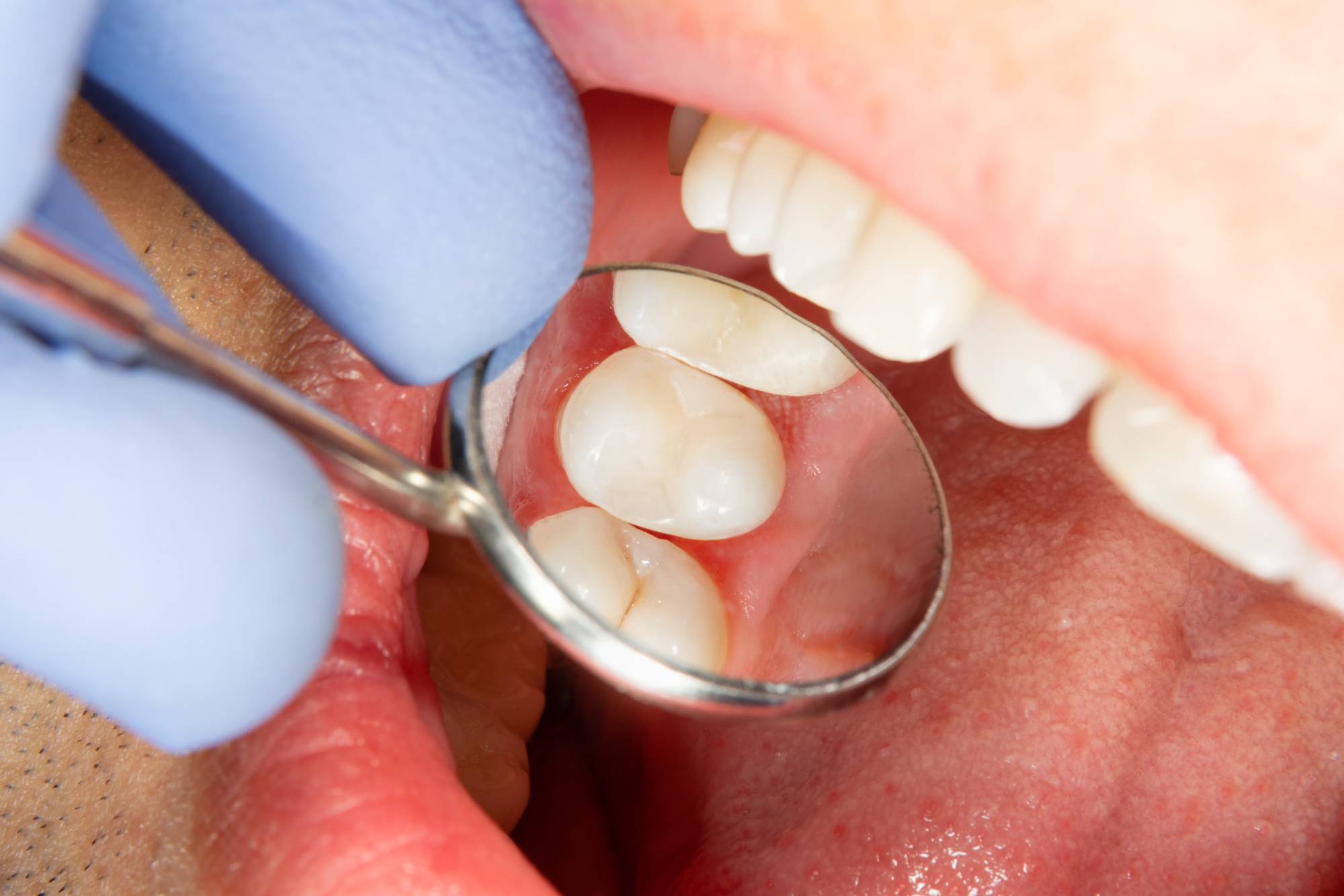
Preventing tooth decay begins with simple habits that keep your teeth healthy every day. Brushing twice daily, cleaning between your teeth, using fluoride, choosing foods carefully, and maintaining regular dental visits can help reduce your risk of cavities.
Tooth decay is largely preventable, yet it remains a widespread oral health concern in the United States. In fact, according to the World Health Organization, dental caries is the most common noncommunicable disease worldwide, affecting 2.5 billion people. That number shows how widespread the problem is and how much prevention truly counts.
This is why learning how to protect your teeth does not need to be complicated. This blog covers practical daily habits, diet and fluoride guidance, early warning signs, and when to visit a dentist for professional care.
What Is Tooth Decay and Why Does It Happen?
Tooth decay develops when bacteria in dental plaque feed on sugars from food and drinks, producing acids that gradually weaken tooth enamel.
Plaque naturally builds up on your teeth. When it is not removed regularly, bacteria in the plaque interact with sugars and starches, producing acids that attack the enamel. With repeated acid exposure, the enamel can lose minerals, a process called demineralization, which may eventually result in a cavity.
Tooth decay is progressive, but its earliest stages may be stopped or reversed when the enamel has only begun losing minerals. Once a permanent cavity develops, professional treatment is generally needed.
Pro Tip: Routine general dentistry care allows your dentist to monitor your teeth, spot early changes, and recommend preventive care based on your oral health.
8 Tips for Preventing Tooth Decay
Preventing tooth decay comes down to consistent daily habits and regular professional care. These oral hygiene tips for NC patients can be used at home and form the foundation of effective cavity prevention:
1. Brush Twice a Day
Brush your teeth for two minutes in the morning and before bed with a soft-bristled toothbrush. Use gentle movements and clean the front, back, and chewing surfaces of your teeth, paying attention to the gumline.
2. Floss or Clean Between Teeth Daily
A toothbrush cannot reach every space between your teeth. Floss, water flossers, or interdental brushes can remove plaque and food particles from these areas and support better cavity prevention.
3. Use Fluoride Toothpaste
Fluoride helps strengthen enamel and makes teeth more resistant to acid attacks. Brushing twice a day with fluoride toothpaste is one of the simplest oral hygiene tips for NC patients to add to their daily routine.
4. Limit Sugary and Acidic Foods and Drinks
Soda, juice, candy, and other sugary or acidic foods and drinks can increase acid exposure. So, limiting these items, particularly between meals, can help reduce the conditions that contribute to tooth decay.
5. Drink Plenty of Water
Water helps rinse away food particles and keeps your mouth hydrated. If your tap water is fluoridated, drinking it also provides a regular source of fluoride that supports preventing tooth decay.
6. Avoid Frequent Snacking
Frequent snacking gives oral bacteria repeated opportunities to produce acids. Rather than eating small amounts throughout the entire day, try to keep meals and snacks spaced apart.
7. Replace Your Toothbrush Regularly
Replace your toothbrush every three to four months or sooner if the bristles become frayed. A worn toothbrush may not clean your teeth as effectively as one with properly shaped bristles.
8. Keep Up With Professional Dental Cleanings
Professional dental cleanings remove hardened tartar that brushing and flossing cannot eliminate. Regular dental exams also help your dentist identify early signs of cavities and other oral health concerns.
Routine cleanings and dental exams are an important part of preventive dentistry. By removing buildup and checking for early signs of decay, these visits support ongoing cavity prevention and better oral health.
The table below highlights everyday habits that help prevent tooth decay and choices that may increase the risk of cavities:
| Habit / Choice | Helps Prevent Decay | May Increase Decay Risk |
| Fluoride toothpaste | ✅ | |
| Frequent sugary snacking | ✅ | |
| Drinking water | ✅ | |
| Daily flossing | ✅ | |
| Sipping soda throughout the day | ✅ | |
| Routine dental cleanings | ✅ |
How Does Fluoride Help Prevent Cavities?
Fluoride helps prevent cavities by strengthening weakened enamel and making teeth more resistant to acid. It also supports remineralization, which replaces some of the minerals lost during early acid attacks.
Fluoride is available through toothpaste, fluoridated tap water, and professional fluoride treatments. Your dentist may recommend additional fluoride based on your cavity risk and oral health.
The CDC reports that dental sealants can prevent about 80% of cavities in the back teeth, while fluoride varnish also provides cavity-prevention benefits, particularly for children.
Many patients are surprised that fluoride can do more than protect healthy enamel. When decay is caught very early, fluoride and improved oral care may help strengthen the weakened area before a permanent cavity develops.
Can Your Diet Affect Tooth Decay?
Yes, your diet can strongly influence your risk of tooth decay. What you eat matters, but general dentistry advice also considers how frequently you eat and drink throughout the day.
Foods and drinks that may increase decay risk include:
- Sticky sweets: They can remain on tooth surfaces for longer periods.
- Sugary drinks: Soda, sweetened coffee, energy drinks, and juice expose teeth to sugar and acids.
- Refined carbohydrates: Crackers, chips, and certain baked goods can break down into sugars that oral bacteria use to produce acids.
Foods that support better oral health include:
- Crunchy vegetables: Carrots and similar vegetables provide nutrients while adding texture to meals.
- Dairy products: Milk, cheese, and yogurt provide calcium and other nutrients that support tooth structure.
- Water: Water helps rinse the mouth and is a better everyday choice than sugary beverages.
Insight: The timing of eating matters, too. Sipping a sugary drink or snacking repeatedly throughout the day gives your teeth more frequent acid exposure than having the same food or drink with a meal.
How Often Should You Visit a Dentist for Cavity Prevention?
Most people benefit from a dental checkup and professional cleaning every six months, although the recommended schedule may vary based on their oral health, dental history, and risk factors.
Staying consistent with these visits is an important part of general dentistry advice. Regular checkups give your dentist a chance to monitor your oral health, identify early signs of tooth decay, and address concerns before they become more serious.
Routine preventive care also has a broader public health benefit. Regular exams and professional cleanings can help detect problems early while supporting better long-term oral health.
If you are looking for a Matthews dentist, consider a practice that offers routine exams, professional cleanings, preventive treatments, and patient education as part of ongoing dental care.
What Are the Early Signs of Tooth Decay?
Tooth decay does not always cause noticeable discomfort in its early stages. Some of the possible warning signs include:
- Tooth sensitivity
- White or brown spots on the enamel
- Mild toothache
- Rough or pitted enamel
- Sensitivity when eating sweets
Early detection gives your dentist more options for managing the problem. If you experience ongoing discomfort or sensitivity, tooth pain treatment can help identify what is causing the symptoms.
Can Tooth Decay Be Prevented Once It Starts?
Very early tooth decay may sometimes be reversed when the enamel has only lost minerals and has not developed a permanent cavity. Fluoride, improved oral hygiene, and dietary changes can help strengthen the affected area.
Once a true cavity forms, however, the damaged tooth structure cannot grow back on its own. Professional treatment may be needed to remove the decay and restore the tooth.
This difference is why preventing tooth decay and identifying early changes are both important parts of routine dental care.
When Should You See a Dentist About a Possible Cavity?
Consider scheduling a dental evaluation if you notice any of the following:
- Persistent tooth sensitivity
- White, brown, or dark spots on a tooth
- A visible hole or pit in a tooth
- Pain or discomfort when chewing
- Persistent bad breath
These signs do not always indicate a cavity, but they should not be ignored. A dental evaluation can help determine what is causing the symptoms and whether treatment is needed.
Seeking care early may help keep a small dental problem from becoming more extensive. If tooth decay reaches the inner portion of the tooth and causes an infection, endodontic care may be needed to treat the affected area and preserve the natural tooth.
How General Dentistry Can Help Prevent Tooth Decay
Preventive dental care combines your daily routine with professional monitoring. Exams and cleanings help identify plaque, tartar, early decay, and other oral health concerns. Depending on your needs, your dentist may also recommend fluoride treatments or sealants for additional protection.
Schein Dental’s family dentistry services include routine exams and cleanings, fluoride treatments, and sealants designed to help protect teeth from cavities at different stages of life.
At Schein Dental, Dr. Charles Schein takes a personalized approach to dental care, with an emphasis on diagnosis, treatment planning, and communication. These practical Matthews dentist recommendations can make cavity prevention easier to manage.
If you are due for a checkup or have noticed a change in your teeth, you can schedule an appointment to discuss your oral health with the team.
Frequently Asked Questions
How can I prevent tooth decay at home?
Brush twice daily with fluoride toothpaste, floss once a day, limit sugary snacks and drinks, and drink water regularly. These simple habits form the foundation of preventing tooth decay at home.
How often should I see a dentist to prevent cavities?
Most people benefit from a dental visit every six months for a checkup and cleaning, although patients with a higher risk of cavities may need more frequent visits.
Does fluoride really prevent cavities?
Yes. Fluoride strengthens enamel, helps teeth resist acid, and can support the reversal of very early stages of tooth decay.
Can a cavity heal on its own?
Very early enamel weakening can sometimes be reversed through remineralization with proper care, but once a true cavity forms, the damaged tooth generally requires professional treatment.
What are the first signs of tooth decay?
Common early signs include tooth sensitivity, white or brown spots on the enamel, mild tooth discomfort, and sensitivity to sweets. A dental exam can determine whether these changes are related to tooth decay.