

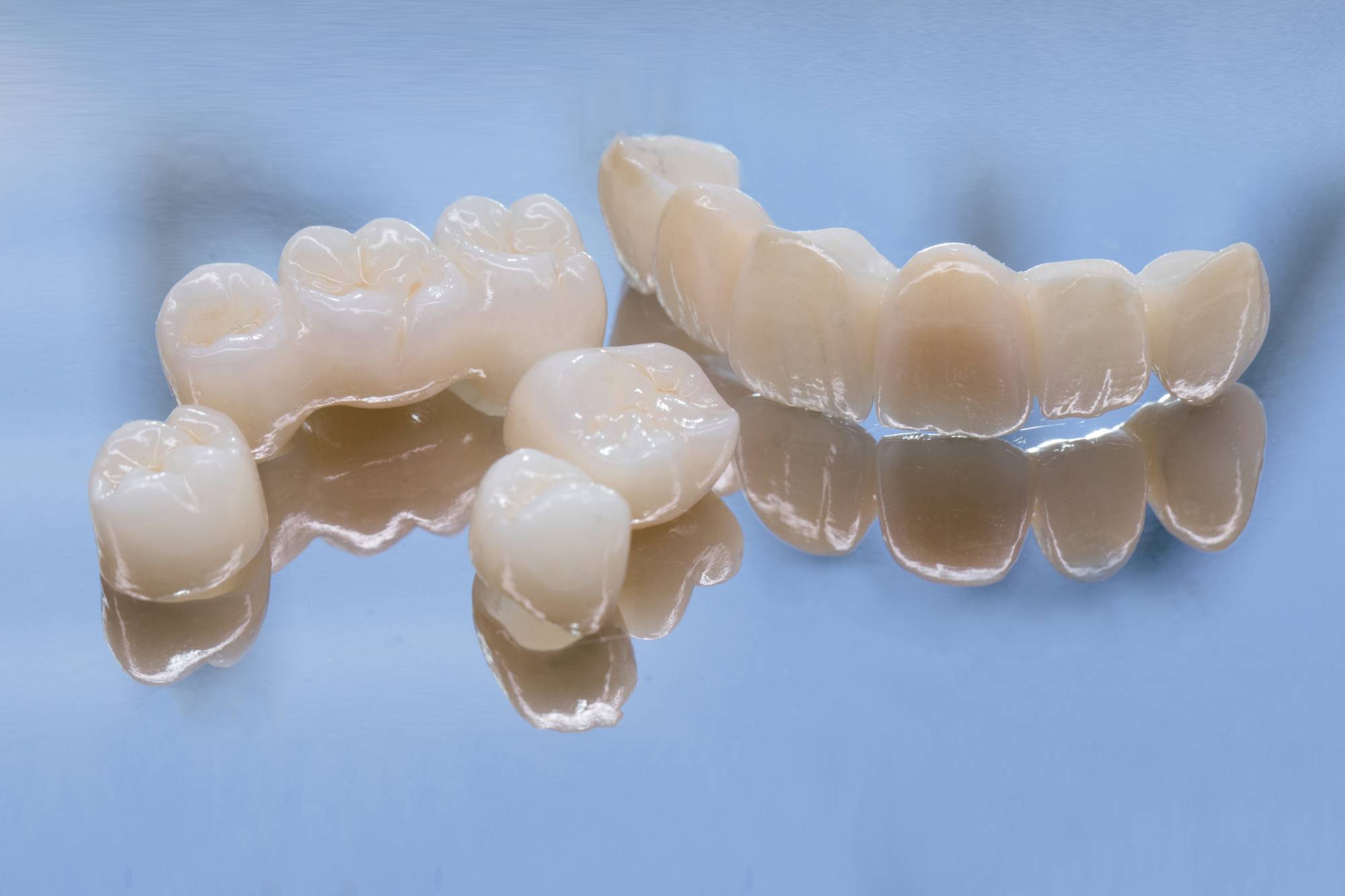
Losing a tooth can make everyday activities like chewing, speaking and smiling feel less comfortable. For families in Matthews and surrounding North Carolina communities, choosing between dental implants vs. bridges can also raise questions about cost, durability and the treatment process. Both options can replace a missing tooth and restore function, but they work differently and offer distinct benefits.
The best choice depends on oral health, budget and how long the results are expected to last. This blog explains each option in plain language, compares them side by side and helps clarify which solution may suit a specific situation.
What Are Dental Implants and Dental Bridges?
A dental implant is a titanium post surgically placed in the jawbone and topped with a crown. It replaces the missing tooth root as a standalone restoration. These can replace one tooth or support a larger restoration.
A dental bridge uses an artificial tooth anchored to neighboring teeth or implant-supported crowns. Traditional bridges reshape adjacent teeth for support. They offer a proven tooth replacement option without an implant post.
Dental implants vs. bridges: How Do They Compare?
Here is a table that compares the key differences between dental implants and bridges:
| Factors | Dental Implant | Dental Bridge |
| Procedure | Minor surgery, healing period | No surgery, faster |
| Treatment timeline | Several months | Few weeks |
| Typical lifespan | Long-lasting | Often needs replacement sooner |
| Adjacent teeth | Typically left untouched | Traditional bridges reshape/crown adjacent teeth |
| Bone health | Helps preserve jawbone | Does not prevent bone loss |
| Upfront cost | Higher | Lower |
| Maintenance | Brush/floss like natural teeth | Special flossing under bridge |
The main trade-off is long-term independence versus a faster, lower upfront-cost restoration. Implants offer strong durability and bone support, while bridges restore function sooner.
Which Is More Durable: Implants or Bridges?
Dental implants generally offer greater long-term durability than traditional bridges. Their titanium posts integrate with the jawbone, creating a stable foundation for the restoration. By comparison, bridge vs. implant durability depends on factors such as the health of the supporting teeth, gums, bite, and daily oral care.
A bridge may need replacement if the supporting teeth develop decay or gum disease. Implant posts are highly durable, although the crown may eventually require repair or replacement. Implant durability also depends on maintaining healthy gums and following good oral hygiene practices.
Are Dental Implants Better for Long-Term Tooth Replacement?
Dental implants can be a strong option for long term dental restoration because they replace the tooth root and help preserve bone around the missing tooth. Many patients also value that an individual implant does not require healthy neighboring teeth to be reshaped.
Bridges remain effective for patients who want faster treatment, have certain bone limitations, or already need crowns on neighboring teeth. The best tooth replacement fits your oral health and priorities.
How Much Do Dental Implants Cost in Matthews, NC?
The CDC’s 2024 report found that U.S. adults ages 20-64 with at least one decayed, missing, or filled permanent tooth had an average of 2.0 missing teeth due to disease. With tooth loss affecting many adults, understanding the cost of replacement options can help patients make informed decisions about restoring their smile.
The cost of a dental implant in Matthews can vary from patient to patient. Factors such as the number of teeth being replaced, bone grafting needs, materials, restoration type, and dental insurance benefits can all affect the final cost.
A bridge generally has a lower upfront cost than an implant, but repairs or replacement may add to its long-term expense. For some patients, the higher initial implant cost in Matthews may provide greater long-term value by replacing the missing tooth without relying on neighboring teeth.
An in-office evaluation can help patients compare both options based on their oral health, treatment needs, and budget.
What Factors Should You Consider When Choosing Between an Implant and a Bridge?
When choosing between a dental implant and a bridge, your dentist may consider:
- Missing teeth: Number and location can affect treatment.
- Jawbone and gums: Their condition can affect implant candidacy.
- Adjacent teeth: Their health can affect bridge support.
- Overall health: Smoking, diabetes, medications, and other factors can affect healing.
- Budget and timeline: Bridges may be faster and less expensive upfront.
- Maintenance: Consider cleaning and upkeep.
When Might a Dental Bridge Be a Better Option?
A bridge may suit patients who want a faster solution, prefer to avoid surgery, or have insufficient bone without grafting. It can also make sense when adjacent teeth need crowns.
For patients comparing bridge vs. implant durability, cost and treatment time matter alongside supporting-teeth health.
When Might Dental Implants Be Recommended?
Dental implants are often recommended for patients with adequate bone and healthy gums who want an independent, long-lasting restoration. This can make them a good option when preserving neighboring teeth and supporting jawbone health are priorities.
Since implants require surgery and a healing period, treatment may also involve additional care as part of the process. When appropriate, your dentist may coordinate with oral surgery to support your treatment.
What Happens If You Leave a Missing Tooth Untreated?
A missing tooth can affect more than appearance. Some of the possible changes include:
- Neighboring teeth may shift into the open space.
- Bone loss may occur in the area of the missing tooth.
- Biting and chewing may become less comfortable.
- Speech or facial appearance may change.
- Further tooth loss may become more likely.
How Schein Dental Can Help You Choose the Right Tooth Replacement Option
Choosing between a dental implant and bridge begins with an evaluation of your individual needs. At Schein Dental, Dr. Charles Schein and our team can assess your teeth, gums, bite, available bone, imaging, treatment goals, and budget.
These factors help determine which restoration may be the better fit for you while supporting comfortable function and a long term dental restoration.
Frequently Asked Questions
Are dental implants better than bridges?
Implants typically last longer and help preserve bone, while bridges are faster and usually cost less upfront. The right choice depends on your oral health and goals.
Which lasts longer, an implant or a bridge?
Implants generally last longer than traditional bridges. Bridges typically need replacement sooner, while an implant post can remain highly durable.
Is a bridge cheaper than an implant?
Yes, bridges usually cost less upfront than implants. Future repairs or replacement can affect overall cost, so long-term value matters.
Does a bridge require altering healthy teeth?
A traditional bridge usually requires reshaping adjacent teeth so they can support the crowns. An individual implant does not require altering neighboring teeth, although implant-supported bridges are an exception.
How do I know which option is right for me?
A dental evaluation can assess your jawbone, gums, adjacent teeth, health, budget, and goals. Your dentist can explain which restoration fits your situation.
Final Thoughts
The honest answer is that both implants and bridges can replace missing teeth and restore everyday function. The better option depends on your oral health, budget, treatment timeline, and long-term preferences.
A personalized consultation can help you weigh these factors and choose a restoration that fits your needs. If you are considering tooth replacement in Matthews, schedule an appointment with us to discuss your options with the dental team.