

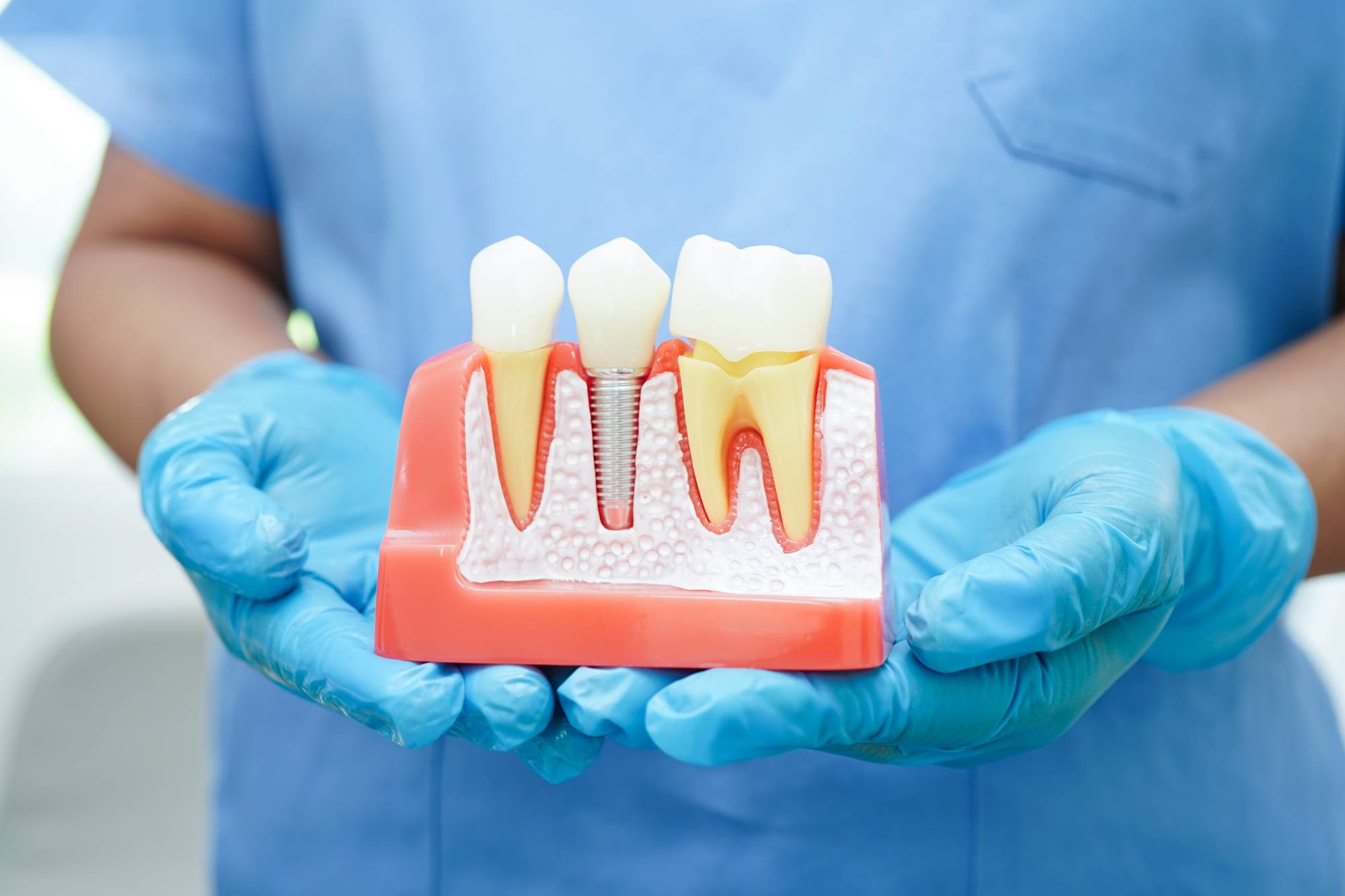
Losing a tooth can change the way you eat, speak, and feel about your smile. It can lead to poor diet and low self-esteem, affecting the overall quality of life. Many patients look for a solution that restores natural appearance and everyday function while providing long-term support. Dental implants are a reliable option for replacing missing teeth and are designed to closely replicate the look and feel of natural teeth.
However, since the process can be complex depending on individual oral health needs, healing requirements, and treatment plans, patients often want to know what happens before starting treatment during the dental implant procedure and how each stage is completed.
In this blog, we will explore the dental implant process from the initial consultation to the placement of the final crown, helping you understand each stage and feel more prepared for your treatment journey.
Step 1: Your Initial Dental Implant Consultation
The first step starts with a detailed dental implant consultation. This is where your dentist evaluates your oral health and discusses your goals. During this visit, the team:
- performs a comprehensive examination
- reviews your medical history
- may use digital X-rays or CBCT imaging to assess your jawbone structure
Your dentist will evaluate bone density, gum health, and the condition of surrounding teeth to determine whether implants are a suitable option. This evaluation helps create a personalized plan since every patient has different needs. The recommended dental implant procedure may include additional steps depending on your oral condition and the support required for successful treatment.
Pro tip: A consultation is an opportunity for you to ask relevant questions and understand the expectations during your implant journey.
Step 2: Preparing for Dental Implant Treatment
Before getting dental implants, your dentist will assess your oral health and jawbone condition to determine the preparation required for successful treatment. The steps involved can vary from patient to patient, depending on factors such as bone support, gum health, and existing dental conditions.
Careful planning can help create a stable foundation for the implant and support long-term results. Before placing the implant, some patients may need additional procedures based on their oral health and jawbone condition. For example, if a damaged or unhealthy tooth remains in the treatment area, tooth extraction may be recommended to allow the site to heal and prepare it for the next stage of treatment.
In cases where patients have experienced bone loss after losing a tooth, bone grafting may be suggested to improve jawbone support. While this step is not required for everyone, it can help create suitable conditions for implant placement when additional bone volume is needed.
So, your dentist will evaluate your needs during the planning phase of the dental implant procedure and recommend the appropriate steps for your treatment.
Step 3: Dental Implant Placement Surgery
Once the preparation stages are complete, the next step involves placing the implant into the jawbone. During this stage, dental implant surgery is performed to position a titanium implant post that replaces the natural tooth root. This post provides a stable foundation for supporting the final restoration and helps restore the function of the missing tooth.
Placing the Implant
During placement, the implant post is positioned precisely within the jawbone using careful techniques and detailed treatment planning. The location and angle of placement are selected to support proper function and appearance.
What Patients Can Expect During the Procedure
Local anesthesia helps keep patients comfortable throughout implant placement. For a single tooth replacement with a dental implant, the procedure typically takes less than an hour. Treatment time may be longer when multiple implants or additional procedures are required. Afterward, patients generally experience only minor discomfort, which can often be managed with over-the-counter pain relief such as Ibuprofen, along with mild soreness or swelling as the area begins healing.
Pro tip: Following recovery instructions and attending follow-up visits can support the success of your dental implant surgery.
Step 4: Healing and Osseointegration
The next stage of the dental implant process involves healing and osseointegration. This is the period when the jawbone gradually bonds with the implant post, creating a stable foundation for the final crown.
The dental implant treatment timeline varies from patient to patient because healing depends on factors such as overall health, bone quality, smoking habits, and how closely post-operative instructions are followed.
Osseointegration often takes several months, although the exact timeline varies by patient and treatment plan. This healing stage is essential for achieving long-term stability and helping the implant function like a natural tooth.
Step 5: Placing the Abutment and Final Crown
After the implant has successfully healed, the next step involves placing the abutment and final crown. The abutment connects the implant post to the dental crown and provides support for the visible restoration.
During this stage, your dentist takes impressions or digital scans to design a custom crown that matches your surrounding teeth. The crown is created to blend with your smile by matching the color, shape, and function of neighboring teeth.
Once completed, the implant can look and function similarly to a natural tooth. This final restoration completes the dental implant process and helps restore chewing ability and confidence.
Recovery After the Dental Implant Procedure
Recovery after getting dental implants varies depending on the complexity of treatment and each patient’s healing response. Following a single tooth implant procedure, most patients experience only mild discomfort, swelling, or sensitivity, which is often manageable with over-the-counter pain relief such as Ibuprofen.
To support faster healing, you can follow these steps:
- Eat softer foods to avoid putting pressure on the treated area.
- Maintain good oral hygiene to keep the area clean.
- Attend follow-up appointments so your dentist can monitor healing progress.
- Follow post-operative instructions provided by your dentist to support proper recovery.
Your dentist will provide personalized guidance based on your treatment needs and healing progress. Since every patient recovers differently, your care team will monitor the healing process and advise you on the next steps when your implant is ready for the following stage.
Benefits of Understanding the Dental Implant Process
Understanding the different stages of the dental implant procedure can make the overall experience feel more manageable and help patients stay involved in their care decisions.
Some of the key advantages are:
- Better Preparation for Each Treatment Stage: Understanding the different steps involved helps patients know what to expect during consultation, implant placement, healing, and final restoration.
- More Confidence in Treatment Decisions: Having clear information about the process allows patients to discuss concerns, ask relevant questions, and feel more assured.
- Improved Follow-Up and Aftercare: Knowing the importance of post-treatment care helps patients follow instructions that support healing and long-term implant function.
- Personalized Treatment Planning: Patients exploring dental implants in Matthews, NC can receive a customized evaluation based on their oral health and specific needs.
Final Thoughts
A successful dental implant procedure involves several carefully planned stages, beginning with the initial consultation and treatment planning and continuing through implant placement, healing, and the final restoration. Each stage has a specific purpose in creating a stable and natural-looking result that supports long-term oral function.
Having a clear idea of how the dental implant process works allows patients to better understand their treatment options, prepare for each step, and feel more confident about their decision before starting care.
If you are considering dental implants, a personalized consultation is the first step toward determining the right approach for your smile and oral health needs. At Schein Dental, Dr. Charles Schein and his team focus on providing patient-centered care with attention to detail and a commitment to creating treatment plans that match each patient’s goals.
With advanced training in implant and cosmetic dentistry, Dr. Schein combines experience with a thorough understanding of each patient’s needs to help deliver comfortable and effective dental care.
If you are ready to explore your options for restoring your smile, schedule an appointment today!
Frequently Asked Questions About the Dental Implant Procedure
How long does the dental implant process usually take?
The length of the dental implant treatment timeline depends on several factors, including healing time, bone quality, and whether additional procedures like bone grafting are needed. Some patients complete treatment sooner, while others require additional healing before receiving the final crown.
Is dental implant surgery painful?
During dental implant surgery, local anesthesia helps keep patients comfortable throughout the procedure. For a single tooth implant, most patients experience only mild discomfort afterwards, which is often managed with over-the-counter pain relief such as Ibuprofen. Mild soreness or swelling is common and usually temporary. Your dentist will provide personalised aftercare instructions to support a smooth recovery.
Can I return to work after getting a dental implant?
Most patients can return to normal activities within a day or two after getting dental implants, depending on the complexity of their treatment. Your dentist may recommend additional rest if multiple implants or other procedures are involved.
Why does the implant need time to heal before placing the crown?
The implant needs time for osseointegration, which allows the jawbone to form a stable connection with the implant post. This bond supports the strength and function needed for the final crown.
How do I know if I’m a candidate for dental implants?
A professional evaluation is the best way to determine if you qualify for implants. Your dentist will review factors such as oral health, bone density, gum condition, and overall treatment goals to create an appropriate plan.