

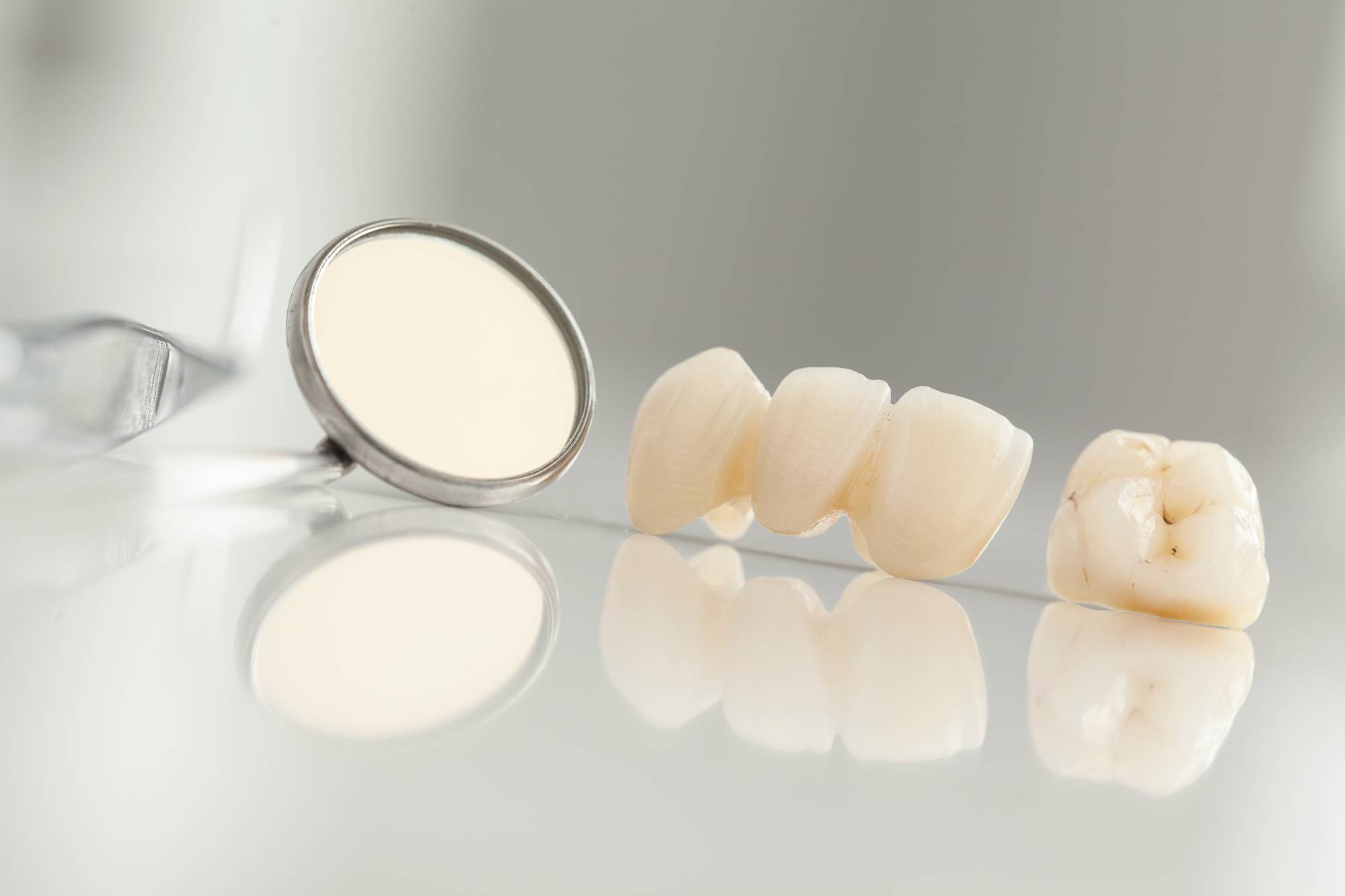
Caring for crowns and bridges starts with simple daily habits that protect your restoration, natural teeth, and gums. Although crowns and bridges are designed to be durable, proper cleaning and regular dental care can help them stay comfortable and functional for many years.
So, knowing how to care for a dental crown or bridge means brushing, cleaning around and underneath the restoration, avoiding damaging habits, and keeping up with dental visits. This blog covers the essential do’s and don’ts, cleaning tips, crown and bridge lifespan, repair versus replacement, and warning signs that should be checked by a dentist.
Why Proper Crown and Bridge Care Matters
According to the CDC, 1 in 5 adults ages 20 to 64 has at least one untreated cavity. This highlights why consistent oral care matters, even when a tooth has been restored with a crown or bridge.
Proper care helps protect the natural tooth structure and the tissues surrounding a restoration. A crown covers and protects a damaged tooth, while a bridge replaces a missing tooth and relies on neighboring teeth or other support to remain in place. These treatments are part of restorative dentistry, which focuses on repairing or replacing teeth affected by damage or tooth loss.
The crown or bridge itself does not develop tooth decay, but the natural tooth beneath or around it still can. Plaque can also collect along restoration margins, increasing the risk of gum inflammation and other oral health concerns. Regular brushing, cleaning between teeth, and routine dental visits can help keep the restoration and surrounding tissues healthy.
How to Care for Your Dental Crown or Bridge
A good daily routine for crowns and bridges includes brushing twice a day, cleaning between teeth and around the restoration, and attending routine dental visits. If you have a dental crown or dental bridge, these habits can help protect the restoration and the natural structures around it.
Consistent crown and bridge care also means paying attention to changes in comfort, fit, and gum health. The following do’s and don’ts can help you maintain your restoration as part of your regular oral hygiene routine.
Do’s: Best Practices for Maintaining Your Restoration
Brush Twice Daily With a Soft-Bristle Brush
Brush your teeth twice a day using a soft-bristled toothbrush and non-abrasive fluoride toothpaste. Gently angle the brush toward the gumline and clean all surfaces around the crown or bridge.
Avoid applying excessive pressure while brushing. Gentle, consistent cleaning can remove plaque without unnecessarily irritating the gums or restoration.
Clean Under and Around the Restoration
Floss around your crown or bridge every day to remove plaque and food particles that brushing cannot reach. Floss threaders and interdental brushes can make it easier to clean tight spaces.
For bridges, a water flosser can also help remove debris beneath the replacement tooth and around the supporting teeth. Good oral hygiene around bridge areas is especially helpful for keeping the gums and supporting teeth healthy.
Keep Up With Routine Dental Visits
The CDC reports that 42% of adults age 30 and older have periodontitis, a form of gum disease that can affect the tissues supporting teeth. This makes gum health an important part of caring for crowns and bridges, as healthy supporting tissues help keep the restoration and surrounding teeth in good condition.
Regular dental exams and professional cleanings give your dentist an opportunity to assess the restoration, surrounding gums, and supporting teeth. These visits can also help spot small changes early, before they develop into problems that may require more involved treatment.
Wear a Night Guard if You Grind Your Teeth
Teeth grinding and clenching can place excessive pressure on crowns, bridges, and natural teeth. If you grind your teeth while sleeping, your dentist may recommend a custom night guard to reduce stress on the restoration.
Eat a Balanced Diet and Limit Sugary Foods
A balanced diet supports overall oral health, while limiting frequent sugary foods and drinks can reduce exposure to the sugars that contribute to tooth decay. Pay particular attention to foods that can become trapped around or underneath a bridge.
Don’ts: Habits That Can Damage Crowns and Bridges
Certain habits can increase the risk of chips, cracks, looseness, or damage to the surrounding teeth. These include:
- Don’t chew ice, hard candy, or extremely hard foods: These can place excessive force on a crown or bridge.
- Don’t use your teeth as tools: Opening packages or biting objects can damage the restoration and natural teeth.
- Don’t skip flossing or cleaning under a bridge: Plaque and food debris can collect beneath the replacement tooth.
- Don’t ignore sticky or chewy foods: These foods can place pulling forces on restorations.
- Don’t use abrasive whitening products or hard-bristle brushes: These may irritate the gums or wear the surface of some restorations.
- Don’t delay care if something feels wrong: Sensitivity, looseness, pain, or changes in your bite should be evaluated by a dentist.
How to Clean Around a Dental Bridge
Cleaning under a dental bridge is essential because the replacement tooth, called a pontic, sits above the gum and can create a space where plaque and food collect.
To maintain good oral hygiene around bridge areas, follow these steps:
- Use a floss threader or superfloss: Guide the floss beneath the pontic and gently clean the area between the bridge and gumline.
- Consider a water flosser: A water flosser can help remove food particles and plaque from areas that are difficult to reach with regular floss.
- Use an interdental brush: An appropriately sized interdental brush can clean around the supporting teeth and other spaces surrounding the bridge.
- Continue brushing normally: Brush the bridge, supporting teeth, and surrounding gumline twice each day.
Pro tip: If you have questions about cleaning techniques or caring for your restoration, general dentistry can help you find the right oral hygiene routine for your needs.
How Long Does a Dental Crown or Bridge Last?
With proper care, crowns and bridges can last many years, but the exact lifespan varies from patient to patient. Material type, bite forces, gum health, the condition of the supporting teeth, and daily maintenance can all affect how long a restoration remains functional.
Good brushing and flossing habits help reduce plaque around the restoration, while routine dental visits allow your dentist to monitor its condition. Avoiding habits such as chewing ice and managing teeth grinding can also help support a longer crown lifespan.
The same factors can influence bridge longevity. Following practical bridge maintenance tips, cleaning beneath the restoration, and addressing problems early can help preserve its function and fit.
What Can Cause a Crown or Bridge to Become Damaged?
Several issues can affect a crown or bridge over time, and some may lead to tooth pain or sensitivity. Common problems include:
- Decay in the natural tooth beneath or around the restoration
- Gum recession that exposes restoration margins
- Teeth grinding or clenching
- Trauma or biting extremely hard objects
- Worn or failing cement or bonding
- Poor cleaning that allows plaque buildup and gum disease
- Changes in the supporting teeth or surrounding tissues
Crown Repair vs. Replacement: When Is Each Needed?
Not every damaged crown or bridge needs to be replaced. The right treatment depends on what is causing the problem and whether the restoration, supporting tooth, or surrounding tissues are still healthy.
The situations below show when a repair may be considered and when replacement is more likely:
| Situation | Repair May Be Enough | Replacement Likely Needed |
| Minor chip or surface wear | ✔ | |
| Loose crown with intact tooth | ✔ Re-cementing may be possible | |
| Decay under the restoration | ✔ | |
| Cracked or fractured crown | ✔ | |
| Recurring looseness or poor fit | ✔ | |
| Damaged supporting tooth | ✔ |
A minor problem may sometimes be addressed with a repair or re-cementing. However, decay, significant fractures, or a poor fit may require a new restoration. Your dentist can determine whether crown repair vs. replacement is appropriate after examining the restoration and underlying structures.
When Should You See a Dentist About a Crown or Bridge?
You should contact your dentist if you notice persistent pain, sensitivity, looseness, swelling, or changes around your crown or bridge. Early evaluation can help identify the cause and determine what treatment is appropriate.
Watch for these warning signs:
- Persistent pain or sensitivity
- A loose, shifting, or lost crown or bridge
- Swollen, bleeding, or irritated gums
- Visible chips or cracks
- A bad taste or unusual odor
- Difficulty chewing
- A change in the way your teeth come together
Final Thoughts: How Schein Dental Can Help Maintain Your Dental Restoration
Caring for crowns and bridges starts with consistent daily cleaning and habits that protect the restoration and surrounding teeth. Brushing twice a day, cleaning between teeth and beneath bridges, limiting sugary foods, and addressing teeth grinding can help keep your restoration comfortable and functional.
Regular dental visits also give your dentist a chance to check the crown or bridge, supporting teeth, and gums for early signs of wear, decay, looseness, or other concerns. At Schein Dental, these visits can also provide an opportunity to discuss cleaning methods, restoration concerns, and treatment options based on your oral health needs.
If you notice pain, sensitivity, swelling, looseness, or visible damage, contact us for an evaluation rather than waiting for the issue to worsen.
Frequently Asked Questions
How do I take care of a dental crown?
Brush twice daily with a soft-bristled toothbrush and fluoride toothpaste, and floss around the crown every day. Avoid chewing hard objects, biting your nails, and using your teeth as tools. Regular dental checkups also help monitor the crown and the natural tooth underneath it.
How do you clean under a dental bridge?
Use a floss threader, superfloss, or water flosser to clean beneath the replacement tooth. Interdental brushes can also help clean around the supporting teeth and spaces near the bridge.
How long do crowns and bridges last?
With proper care, crowns and bridges can last many years. The exact crown lifespan varies based on factors such as material, oral hygiene, bite forces, gum health, and the condition of the supporting teeth.
Can a damaged crown be repaired instead of replaced?
Sometimes. A minor chip or a loose crown with an otherwise healthy restoration may be repairable or re-cementable, while decay, significant fractures, or poor fit may require replacement. A dental evaluation can determine whether crown repair vs. replacement is appropriate.
How often should crowns and bridges be checked?
Crowns and bridges should be examined during your routine dental visits. Your dentist can check the restoration and surrounding tissues and recommend additional visits if you have pain, looseness, sensitivity, or other changes.