

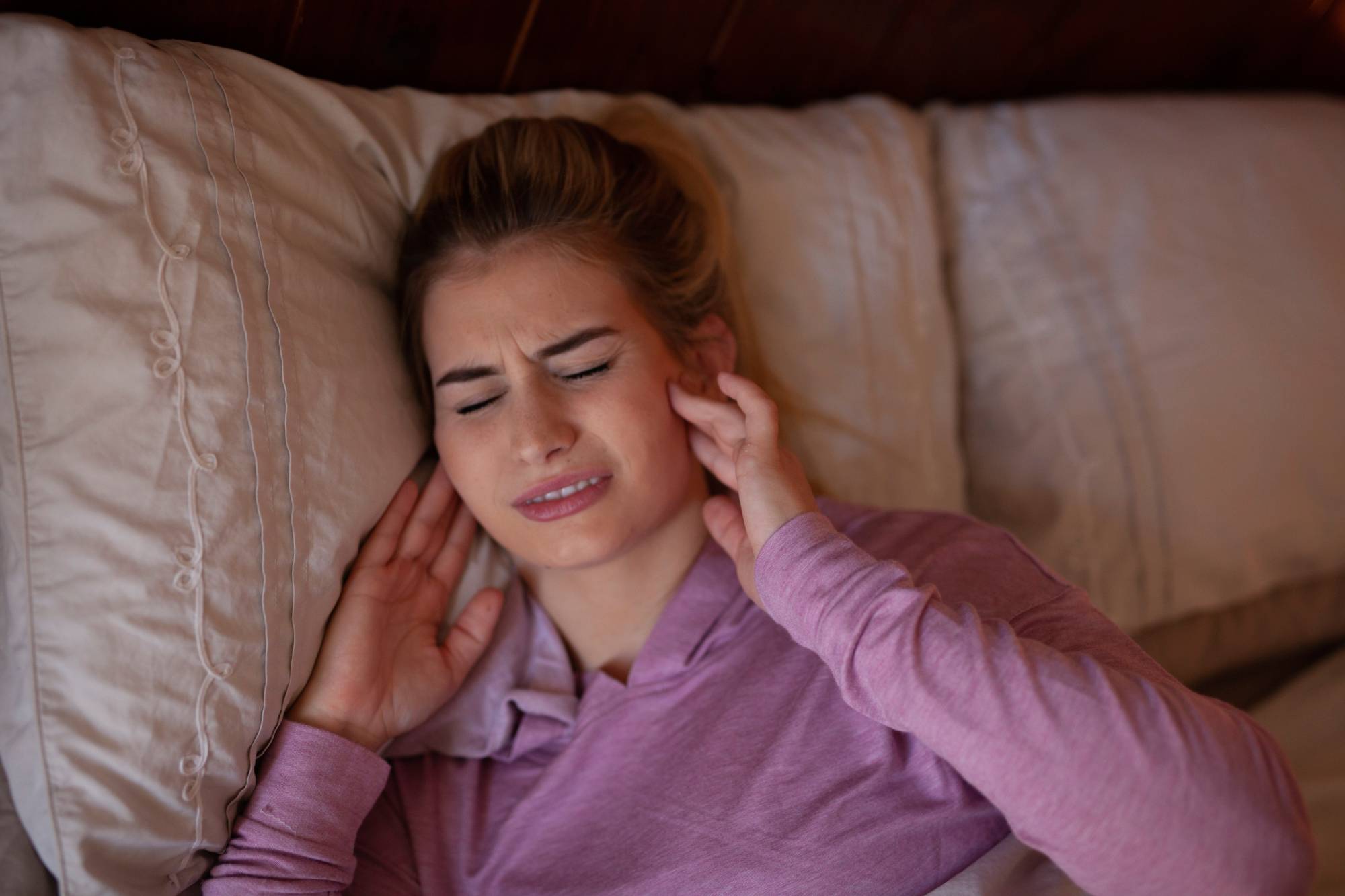
Most people have no idea they clench or grind their teeth, especially while sleeping. You might wake up feeling tired, not realizing your jaw worked overtime all night.
These habits can chip away at teeth, lead to nagging headaches, and strain the temporomandibular joint (TMJ) without you ever noticing until real damage is done.
Stress is the leading cause behind teeth clenching in adults, and stress rates have ticked up in the last few years. More people are carrying stress into bedtime, which makes these issues even more common.
In fact, up to 30% of people grind their teeth in some way. The good news? Catching these habits early can make a real difference in treatment and discomfort.
That’s why a 24-hour self-test is worth trying. By spotting symptoms sooner, you can help prevent cracked teeth, worn enamel, and chronic jaw pain before they contribute to bigger medical conditions.
The Difference Between Teeth Grinding and Clenching
Teeth grinding, or bruxism, occurs when you move your teeth side to side while your jaw is clenched. You might notice your teeth feel flat or rough if this is happening.
Teeth clenching, on the other hand, means holding your teeth together with heavy force but without much movement. It’s often a side effect of stress or anxiety and usually happens without you realizing.
Both habits can damage teeth, but grinding tends to wear them down faster, while clenching is more likely to cause jaw or head pain. Most patients don’t realize these behaviors are happening, since they often pop up when you’re focused on something else or fast asleep.
Common Warning Signs & Risk Factors You Might Be Missing
You might not notice you have a problem until tooth damage or face pain is already there. Still, there are subtle warning signs you can spot earlier on.
These include morning headaches or tightness at your temples, jaw soreness or stiffness, and even ear pain that’s not from an infection. If you’re brushing and your teeth feel sensitive, or you spot tiny cracks or chips, that’s a clue, too.
Look at your tongue in the mirror. If you see scalloped or wavy indentations along the edges, you may be clenching during sleep. Sometimes, stress tension shows up right in your face.
People often live with these symptoms for months, believing they’re no big deal. That is, until tooth pain forces you to call a healthcare provider.
The 24-Hour Teeth-Grinding Self-Test: How It Works
This teeth-grinding self-test is simple and just takes a little close attention throughout your day. It includes morning, daytime, evening, and nighttime checkpoints. Keeping a small journal, or even using a notes app, helps track what you notice.
Morning Check (6 AM – 10 AM): Are You Waking Up with Signs?
Start your self-test as soon as you wake up. Ask yourself:
- Is there jaw or temple soreness within ten minutes of getting up?
- Do you have a dry mouth, which might suggest mouth breathing overnight?
- Are your teeth sensitive while brushing?
- Is there a headache behind your temples?
- Do you see lines, grooves, or small indentations along your tongue or inside your cheeks?
Nighttime teeth grinding (sleep bruxism) is most common because it happens when your conscious guard is down. If you wake up with a sore jaw, tension, or odd lines on your tongue or cheeks, that’s a clear sign the habit is happening while you sleep.
Morning symptoms often tell the story best, as discomfort soon after waking usually means you’re grinding your teeth at night.
Daytime Check (10 AM – 6 PM): Stress Habits You Don’t Notice
During your workday and afternoon routine, take quick mental notes:
- Is your jaw relaxed, or do you notice it’s tightly shut during work, meetings, or errands?
- Do your teeth touch when you’re not eating? They shouldn’t, and regular contact is a sign of jaw clenching.
- Are your shoulders tense, or is your posture hunched forward? This often goes hand-in-hand with jaw tension.
- Ever find yourself noticing cracked or worn spots in your teeth during meals?
Work pressure, long commutes on Highway 70, or hours spent leaning over a phone can trigger these habits before you’re even aware you developed bruxism. If you find yourself clenching your jaw frequently during the day, that tension builds up and continues into the night.
Evening Check (6 PM – Bedtime): How Your Body Winds Down
As the evening rolls in, pay attention to:
- Are you clenching more while cooking, straightening up, or managing family routines?
- Does your jaw feel tight while relaxing and watching TV in the living room?
- Are you biting your lips, nails, or chewing pens?
- Do you hear a click when you open your mouth wide, like when yawning?
Stress from a busy day can pile up in the evening hours. This stretch of time is often the second most common period for teeth grinding and clenching.
Nighttime Check (During Sleep Hours): What Family Members Can Observe
If you share a bed or room, ask your spouse or a family member to pay attention to you while you sleep:
- Do they hear grinding sounds?
- Does your jaw jerk or tighten suddenly?
- Is there heavy breathing or even low snoring, which are sometimes linked to bruxism?
- Are you waking up mid-sleep with jaw pain?
If you sleep alone, check for soreness if you wake up at night. There are smartphone apps that can record teeth grinding noises while you sleep, like Sleep Cycle or SnoreLab, which might give added insight.
Scoring Your Teeth-Grinding Self-Test: What Your Results Mean
Now, count how many of those signs and symptoms showed up across all your checkpoints.
- If you notice 0 to 3, these are occasional habits. Continue to keep an eye out, but it’s not urgent.
- If you’re picking up 4 to 6 signs, that’s moderate bruxism. You’re likely seeing enamel wear or early damage.
- 7 or more signs usually means a high chance you’re a teeth grinder or clencher. It’s time to get a professional opinion.
The self-test screens for patterns, but it’s not a diagnosis of sleep or awake bruxism. Even a few signs mean it’s worth booking a dental appointment to check things out.
When to See a Dentist in Hickory, NC
If you’re dealing with morning facial pain that persists beyond a week, notice teeth cracking or chipping, have headaches that keep getting worse, or find it hard to open your mouth, don’t ignore these signs.
The sooner you seek help, the better. Early treatment can keep the jaw joint healthy, reduce the risk for costly repairs like crowns or implants, and help you avoid chronic jaw pain that may linger for months or even years.
Treatment Options That Actually Work
Proper treatment depends on your symptoms and patterns. Dental professionals can make custom night mouth guards, which are more effective and comfortable than over-the-counter options. They may recommend stress awareness, posture correction, or even soft tissue exercises to help relax the jaw muscles.
If your teeth are not lining up well, small bite adjustments can reduce the risk of clenching damage. For some people, undiagnosed sleep apnea and other sleep disorders make grinding worse, so treating those other conditions and making lifestyle changes will also help prevent dental damage.
Depending on your situation, this may look like reducing stress, drinking caffeinated beverages less often, or taking certain medications while also using a night guard.
Pay Attention Now, Protect Your Teeth Later
If you live in Hickory or the surrounding communities, taking the full 24-hour self-test is a practical first step. Catching these teeth grinding or clenching habits early can help limit wear and prevent damage that often worsens over time.
If you’re noticing red flags, our team at Schein Dental is here to evaluate what’s happening and recommend options based on your bite, mental health, sleep-related disorders, and daily routine.
Book your consultation before small concerns turn into lasting health issues or more serious sleep problems. We are here to help with everything from minor symptoms to severe cases of TMJ.