

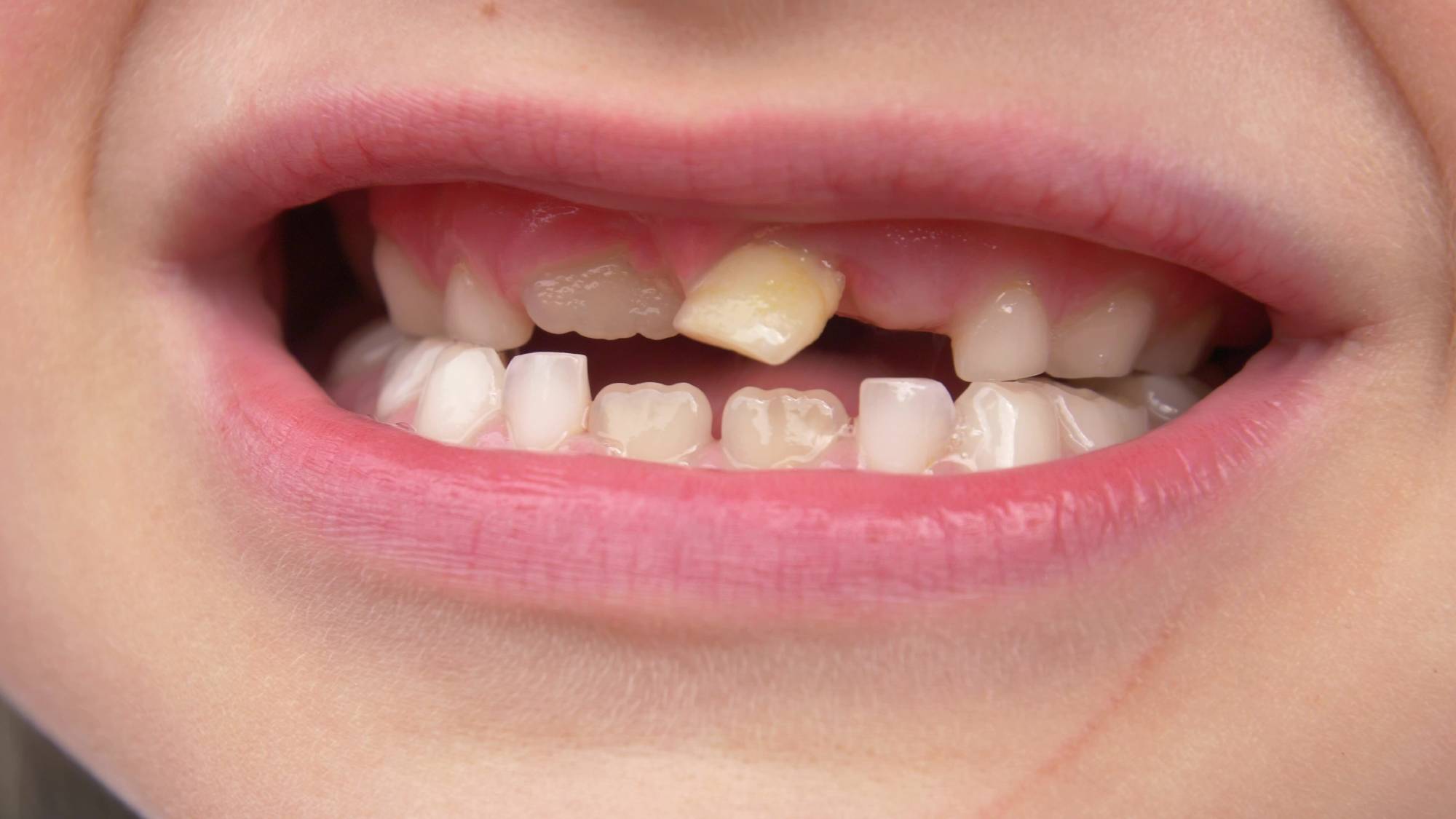
A broken tooth can happen in an instant. One bite into something hard, an accidental fall, or a hit during sports can leave you with a sharp, jagged edge and an immediate question: What should I do next?
Dental trauma is more common than you might think, with research suggesting that roughly one in five adolescents and adults experience an injury to a permanent tooth.
The good news is that prompt dental care can often protect the tooth and restore its appearance and function. This guide explains what to do right away, how to recognize a dental emergency, and which treatment options may help repair your broken tooth.
What Should You Do If You Break a Tooth?
When a tooth chips or cracks, acting quickly and calmly makes a real difference in the outcome. Follow these steps:
- Rinse your mouth gently with warm water to clear away debris and blood.
- Control bleeding by applying light pressure with clean gauze.
- Save any broken fragments by placing them in a small container of milk or your saliva.
- Apply a cold compress to your cheek near the affected area to reduce swelling.
- Take an over-the-counter pain reliever if you’re uncomfortable.
- Cover sharp edges with dental wax or sugar-free gum to protect your tongue and cheek.
- Call a dentist right away to schedule an evaluation.
Traumatic dental injuries affect an estimated 6% to 59% of the population worldwide. Keeping these simple steps in mind can help you respond appropriately and avoid putting additional stress on an already damaged tooth.
Is a Broken Tooth a Dental Emergency?
Some broken teeth need same-day attention. Others can wait a day or two for a regular appointment. Either way, it’s always worth calling a dentist for guidance rather than guessing.
Treat it as a broken tooth emergency if you notice:
- Severe, persistent tooth pain
- Heavy or uncontrolled bleeding
- A visibly exposed nerve (often appears as a pink or reddish center)
- A large piece of the tooth missing
- Swelling in the face or gums
When the inner pulp of a tooth is exposed, bacteria can reach it quickly, raising the risk of infection. Facial swelling or fever alongside broken tooth pain can be a sign of a developing abscess, which needs urgent care.
What Causes Teeth to Break?
Not every broken tooth is caused by an accident. Everyday habits, dental problems, and injuries can play a role. Common causes include:
- Biting down on ice, hard candy, or popcorn kernels
- Trauma from falls, accidents, or sports injuries
- Untreated decay that weakens the tooth’s structure
- Large, aging fillings that no longer support the tooth well
- Teeth grinding (bruxism), especially during sleep
- Natural wear and tear that comes with age
Identifying the underlying cause helps your dentist choose the right long-term treatment for you.
Broken Tooth vs. Cracked Tooth: What’s the Difference?
The terms “broken” and “cracked” often get used interchangeably, but they describe different levels of damage. The table below highlights the key distinctions between the two:
| Type | Description | Typical Symptoms | Common Treatment |
| Minor chip | Small piece of enamel lost | Little to no pain, rough edge | Smoothing or bonding |
| Cracked tooth | Crack through enamel, may reach the nerve | Pain on chewing, sensitivity | Crown or root canal |
| Fractured cusp | Broken chewing surface | Sharp edge, mild sensitivity | Crown or filling |
| Severe break | Large portion lost, nerve exposed | Significant pain, bleeding | Root canal and crown, or extraction |
If your symptoms match the cracked tooth row, it may be time to look into cracked tooth treatment before the damage worsens.
What You Should Not Do After Breaking a Tooth
What you do after breaking a tooth can affect how much damage it sustains before you see your dentist. Keep these common mistakes in mind:
- Avoid ignoring the break, even if it doesn’t hurt. Deeper damage may not cause immediate pain.
- Make sure you don’t chew on the affected side. Pressure from chewing can worsen the break or cause more of the tooth to chip away.
- Keep aspirin away from the tooth and gums. It can burn or irritate soft tissue.
- Resist the urge to glue or repair the tooth yourself. Household adhesives can damage the tooth and make professional treatment more difficult.
- Don’t delay care if the break is severe. Pain, bleeding, swelling, or a large break needs prompt attention.
How Dentists Treat Broken Teeth
The right treatment depends on the size and location of the break, the condition of the remaining tooth, and whether the inner nerve is affected. Your dentist will assess the damage before recommending the most appropriate way to restore the tooth.
Dental Bonding
For small chips and minor damage, your dentist can use tooth-colored composite resin to rebuild the affected area. Bonding is typically a simple procedure that restores the tooth’s shape and appearance.
Dental Crown
A larger break or weakened tooth may need a dental crown to protect what remains. The crown covers the damaged tooth, restoring its strength and shape. It also helps you chew comfortably while protecting the tooth from further damage.
Root Canal Therapy
If the break reaches the pulp or damages the nerve, endodontic treatment may be needed. A root canal removes the damaged tissue inside the tooth, treats the infection, and allows the remaining tooth to be restored.
Tooth Extraction
If the tooth is too severely damaged to save, your dentist may recommend extraction. Once the tooth is removed, oral surgery options such as a dental implant or bridge can help replace the missing tooth and restore your bite.
Can a Broken Tooth Be Saved?
In most cases, yes. A broken tooth can be saved with prompt, appropriate treatment. Several factors influence the outcome, like how much of the tooth structure remains, whether the nerve is involved, and how quickly you seek care.
Acting fast genuinely improves the odds. The longer a damaged tooth goes untreated, the higher the risk of infection, further fracture, or nerve damage.
In cases where the tooth can’t be saved, modern replacement options can restore function and appearance, so a broken tooth does not have to leave you with a permanent gap in your smile.
Restore Your Smile With the Right Care
When a tooth breaks, the effects can extend beyond the visible damage. You may also worry about how it will affect your smile, ability to chew, or long-term oral health.
A timely dental assessment can give you answers before you make assumptions about the damage and help you understand which treatment can give your tooth the best possible outcome.
At Schein Dental, we help you move from uncertainty to a clear treatment plan with attentive care and transparent communication. Our team takes the time to understand your symptoms, evaluate the damage, and explain the options available to you.
Whether you need a simple repair or more extensive treatment, we focus on preserving your natural tooth when it can be safely restored while improving your comfort, function, and confidence. You get personalized care from a team focused on your needs, not a one-size-fits-all solution.
Ready to take care of your broken tooth? Schedule your visit with Schein Dental and let our team help.
Frequently Asked Questions
What Should You Do Immediately After Breaking a Tooth?
Rinse with warm water, control any bleeding, save the broken fragment in milk or saliva, apply a cold compress, and contact your dentist as soon as possible.
Is a Broken Tooth Always an Emergency?
Not always. Severe pain, bleeding, an exposed nerve, or swelling requires urgent care, while a small, painless chip is usually less urgent. It’s still best to contact your dentist for guidance.
Can a Broken Tooth Heal on Its Own?
No. Broken teeth cannot repair themselves. It needs professional evaluation and treatment to prevent further damage or infection.
How Much Does It Hurt to Break a Tooth?
Pain varies depending on the extent of the damage. Minor chips may cause little to no pain, while breaks that reach the nerve can cause significant pain, especially when chewing or exposed to hot or cold temperatures.
How Do Dentists Fix a Broken Tooth?
Treatment depends on the severity of the break and may include dental bonding, a dental crown, root canal therapy, or extraction followed by a tooth replacement option.
What Happens If You Ignore a Broken Tooth?
Ignoring a broken tooth can lead to further damage, infection, an abscess, and eventually tooth loss. Prompt evaluation can help prevent these complications.