

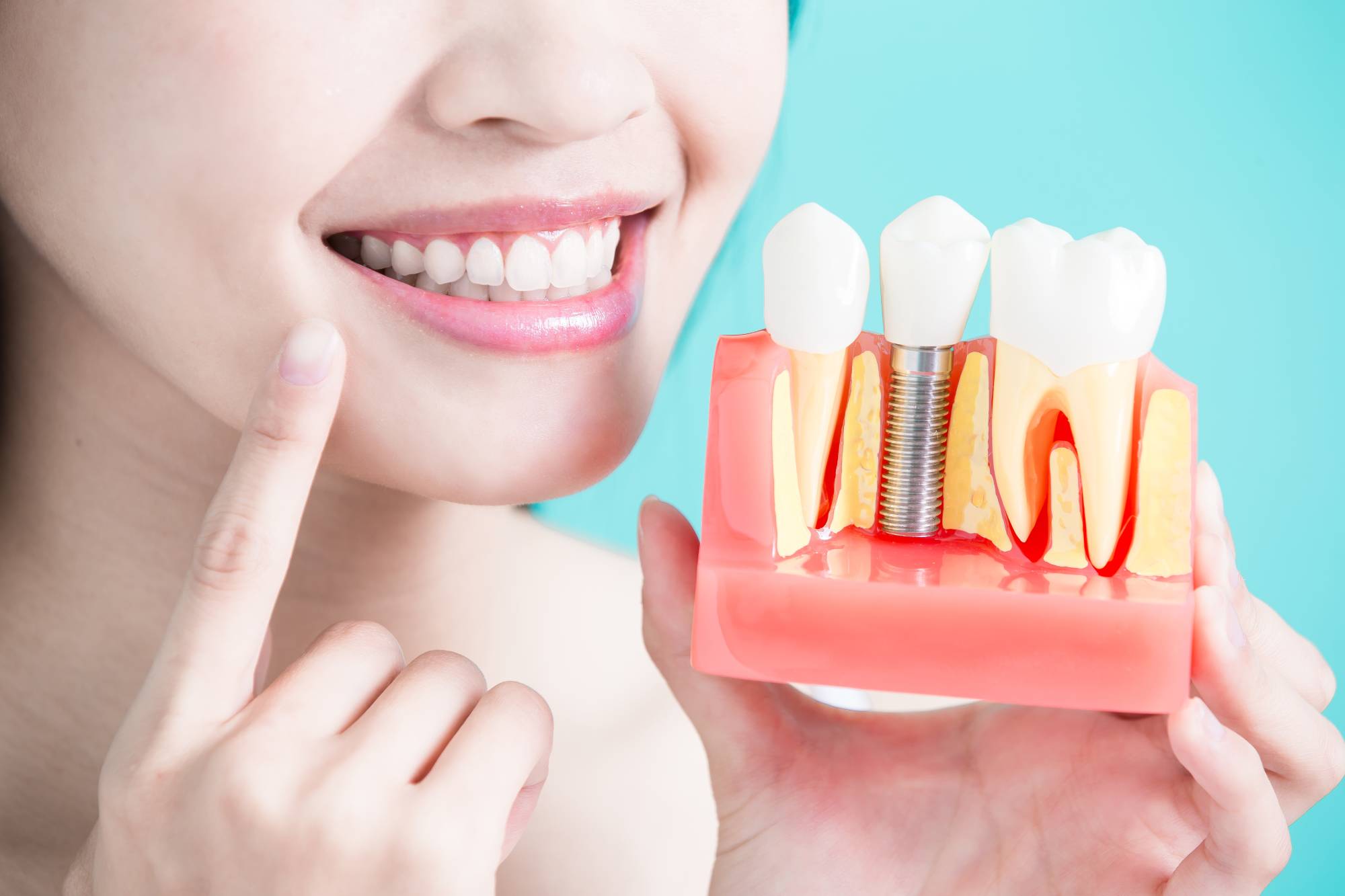
Dental implants offer a dependable, long-term solution for replacing missing teeth, helping restore both the look and function of your natural smile. While implants themselves cannot develop cavities, the gums and bone that support them still need proper attention to stay healthy. That is why consistent dental implant maintenance plays an important role in protecting your oral health and helping your implants last.
Knowing how to care for dental implants begins with simple daily habits, along with regular dental visits for professional monitoring. With the right routine and care, you can support the strength, comfort, and appearance of your implants for many years. This blog covers the essential steps to keep your implants in excellent condition.
TL;DR
Caring for dental implants starts with consistent daily hygiene, including brushing twice a day with a soft-bristled toothbrush and flossing carefully around each implant. Regular dental visits are also essential to monitor the health of your gums and supporting bones. Along with a balanced diet and avoiding tobacco, these habits help protect your implants and support their long-term success.
Why Dental Implant Care Is Essential
Good dental implant care helps protect the tissues and structures that support an implant over time. Although implants are designed to be durable, their long-term stability depends on healthy gums and a strong jawbone. Without proper support, even a successfully placed implant may face problems in the future.
Keeping dental implants healthy involves many of the same daily habits that protect natural teeth, including proper brushing, cleaning between teeth, and maintaining regular dental checkups. These simple routines help control plaque buildup and protect the surrounding tissues that keep implants secure.
Just like natural teeth, implants can collect plaque and bacteria around the gumline. Without regular care, this buildup may lead to peri-implant disease and affect the implant’s function and appearance.
Build a Daily Oral Hygiene Routine
A steady daily routine is the core of good dental implant maintenance. A few simple steps each day can protect the implant and the tissues around it. Here are some of the steps you can take to build a proper oral hygiene routine:
Brush Twice a Day Using Proper Technique
A soft-bristled toothbrush can protect gums and restorations. Brushing dental implants means cleaning gently along the gumline and covering all implant surfaces. It is best to use fluoride toothpaste as it works well for most people unless a dentist directs otherwise.
Floss Around Dental Implants Every Day
Flossing around dental implants helps remove plaque and food particles from areas that a toothbrush may not reach. Using implant-safe floss or interdental brushes allows you to clean around and beneath the restoration, where bacteria can build up over time. Adding this step to your daily routine helps keep the surrounding gums healthy and supports the long-term success of your implant.
Consider Additional Oral Hygiene Tools
Some tools can make daily implant care easier and more effective. Water flossers help flush debris from tight spaces, while electric toothbrushes provide consistent, gentle cleaning around the implant area. When recommended by a dentist, antimicrobial mouth rinses may also help reduce bacteria and support healthier gums.
Healthy Habits That Help Protect Dental Implants
Daily brushing is important, but choices like eating a balanced diet, avoiding tobacco, and keeping regular dental visits also play a role in dental implant maintenance. These habits help create the right environment for your implant to stay strong and stable over time.
Eat a Balanced Diet
A nutritious diet helps maintain healthy gums and strong jawbone support around an implant. Foods rich in lean protein, leafy greens, and calcium provide essential nutrients for the tissues that help keep an implant stable. A balanced diet also supports overall oral health.
Avoid Smoking and Tobacco Products
Smoking can slow the healing process and reduce blood flow to the gums, affecting both recovery after implant placement and long-term oral health. Keeping dental implants healthy becomes easier when tobacco products are avoided, as this helps create better conditions for gum and bone support.
Protect Against Teeth Grinding
Excessive pressure from teeth grinding can place stress on implant restorations and surrounding structures. Over time, this added force may contribute to crown damage or loosening. For patients who clench or grind their teeth during sleep, a custom night guard may help protect the implant and restoration.
Foods and Habits to Avoid
Certain habits can put extra stress on both implants and natural teeth. Caring for dental implants also means avoiding behaviors that may crack, damage, or loosen restorations.
You should watch out for these common habits:
- Chewing ice: Ice can place too much pressure on the implant crown and may cause chips or cracks.
- Biting hard candy: Hard candy can stress the implant restoration and increase the risk of damage.
- Using teeth to open packages: This can loosen or damage the implant crown and harm surrounding teeth.
- Nail biting: Nail biting puts repeated pressure on the implant and may irritate nearby gum tissue.
- Excessive alcohol consumption while healing after surgery: Alcohol can interfere with healing and may slow your recovery after implant placement.
The Importance of Routine Dental Checkups
Regular visits are a key part of dental implant maintenance. A 10-year randomized trial found that patients with dental implants visited their dentist about 1.3 times per year on average for regular maintenance and treatment of any complications.
During these visits, your dentist can examine the implant, clean hard-to-reach areas, and spot early signs of concerns before they become more difficult to manage. Professional care may include:
- Professional cleanings: Remove plaque and buildup around the implant and surrounding gums to support a cleaner, healthier mouth.
- Periodic implant evaluations: Check the implant, crown, and supporting structures to confirm they remain stable and functional.
- Monitoring gum health: Assess the condition of the gums around the implant and look for signs of inflammation or irritation.
- Checking bite alignment: Evaluate how your teeth come together to prevent excess pressure on the implant restoration.
- Early detection of potential complications: Identify small changes early so they can be addressed before affecting implant health.
Pro tip: Good dental implant care at home works best when combined with biannual professional checkups that help maintain the strength, comfort, and function of your restoration over time.
Warning Signs You Shouldn’t Ignore
Even with consistent daily care, dental implants can sometimes experience issues that require professional attention. Keeping dental implants healthy involves paying attention to changes in your mouth and addressing concerns early. If you notice discomfort, swelling, bleeding, or changes around the implant, contacting your dentist can help prevent the problem from becoming more serious.
Watch for these warning signs:
- Persistent bleeding around the implant
- Swollen or tender gums
- Bad taste or discharge
- An implant or crown that feels loose
- Pain while chewing
- Changes in the way the bite feels
Good dental implant care is about maintaining healthy habits while staying aware of your oral health. So, regular checkups and timely professional advice can help protect the implant, surrounding tissues, and your overall smile.
Can Dental Implants Get Infected?
The short answer is yes. The tissues around an implant can become infected even though the implant itself cannot decay. However, recognizing these conditions can support better dental implant care.
One common concern is peri-implant mucositis, which is inflammation of the soft tissue around an implant and is usually reversible with early treatment. Left untreated, it may progress to peri-implantitis, a more serious condition that involves bone loss around the implant.
Certain factors, such as poor oral hygiene, smoking, and unmanaged health conditions, can increase the risk of implant complications. Recognizing changes early and seeking dental care can help address concerns before they affect the surrounding bone and tissues.
While implants are not vulnerable to cavities, the gums and jawbone that support them still need protection. Regular checkups and proper dental implant maintenance help keep these supporting structures healthy and promote the long-term success of your implant.
Long-Term Tips for Protecting Your Dental Implants
Here are some of the best practices to include in your routine for effective dental implant maintenance and long-term implant health:
- Maintain excellent oral hygiene every day: Brush and clean around your implants daily to remove plaque and protect the surrounding gums. Consistent home care helps maintain a healthy environment for your implant.
- Visit the dentist regularly: Routine dental checkups allow your dentist to monitor your implant and identify any concerns early. Professional cleanings also help maintain the health of the surrounding tissues.
- Eat a balanced diet: Nutrient-rich foods support healthy gums and strong bone structure around your implant. A balanced diet contributes to better oral health and overall wellness.
- Wear a night guard if recommended: A night guard can reduce pressure on implants caused by teeth grinding or clenching during sleep. This extra protection helps prevent unnecessary stress on the restoration.
- Follow personalized care instructions: Your dentist may recommend specific steps based on your implant condition and oral health needs. Following these guidelines helps support the long-term function and stability of your implant.
Final Thoughts
In a nutshell, learning how to care for dental implants is one of the best ways to protect your smile, comfort, and long-term oral health. While implants are designed to be strong and dependable, they still rely on healthy gums and bone for support. With consistent hygiene, healthy daily habits, and regular dental visits, you can keep your implants clean, stable, and functioning well for years.
At Schein Dental, our team provides personalized implant care and practical guidance to help you maintain healthy gums, strong bone support, and lasting results. Schedule your next dental visit with us today to keep your smile healthy and confident.
Frequently Asked Questions About Caring for Dental Implants
How do you clean dental implants every day?
Daily implant care involves brushing twice a day with a soft-bristled toothbrush and cleaning between teeth with floss, water flossers, or interdental brushes. These habits help remove plaque buildup around the implant and protect the surrounding gums.
Can dental implants get cavities?
Dental implants cannot develop cavities because they are not made from natural tooth material. However, the gums and jawbone supporting the implant can still be affected by bacteria and disease if proper oral hygiene is not maintained.
Do I need special toothpaste or a special toothbrush for dental implants?
Most patients can care for implants using a soft-bristled toothbrush and non-abrasive toothpaste. Your dentist may recommend specific cleaning tools or products based on your implant type and overall oral health.
How often should dental implants be professionally checked?
Regular dental visits allow your dentist to evaluate the implant, check the surrounding gums and bone, and provide professional cleanings. The recommended schedule may vary based on your individual oral health needs.
What are the early signs of a dental implant problem?
Early signs of implant concerns may include bleeding, swelling, discomfort, looseness, or changes in the way your teeth fit together. If you notice any of these symptoms, a dental evaluation can help identify and address the issue early.